Newsfeed

Alzheimer gene triggers early collapse of the blood-brain barrier and predicts cognitive decline

By |2020-08-01T19:45:16+02:0015. July 2020|Categories: causes, prevention|

Although scientists have known for a long time that apolipoprotein E4 is a leading genetic risk factor for Alzheimer's disease, it has long been unknown how exactly it leads to memory loss. US researchers now believe they have an answer. 

Against any narrow-minded Ignorance: Intervention Studies and Information Sources on Dementia

By |2020-06-16T18:56:03+02:0017. June 2020|Categories: causes, clinical trial, forms of treatment, prevention|Tags: , , |

You go to a doctor - usually a neurologist - ask about natural or lifestyle-oriented therapeutic methods for dementia - and you often look into blank eyes, at worst into an aggressively wrinkled forehead "Don't give me that, all dangerous nonsense, there are only a few pharmacological approaches that may really work!" 

Long-term healthy diet may preserve memory 

By |2020-04-27T14:44:20+02:0029. April 2020|Categories: causes, clinical trial, nutrition, prevention|

A study published in The American Journal of Medicine 2018, has demonstrated that maintaining a healthy diet in midlife is independently associated with a larger hippocampus years later and may protect against cognitive decline. The hippocampus is a structure located in the temporal lobe of each brain hemisphere and is directly involved in the process of memory. The volume of the hippocampus can be determined by brain magnetic resonance imaging (MRI). Decreasing of its volume is related to cognitive impairment and is used in clinical practice for the diagnosis of Alzheimer’s disease (hippocampus atrophy).

The brain can also be infected: Viruses and microorganisms as possible causes of Alzheimer’s dementia

By |2020-04-08T19:56:13+02:008. April 2020|Categories: causes, Infections|Tags: , , , |

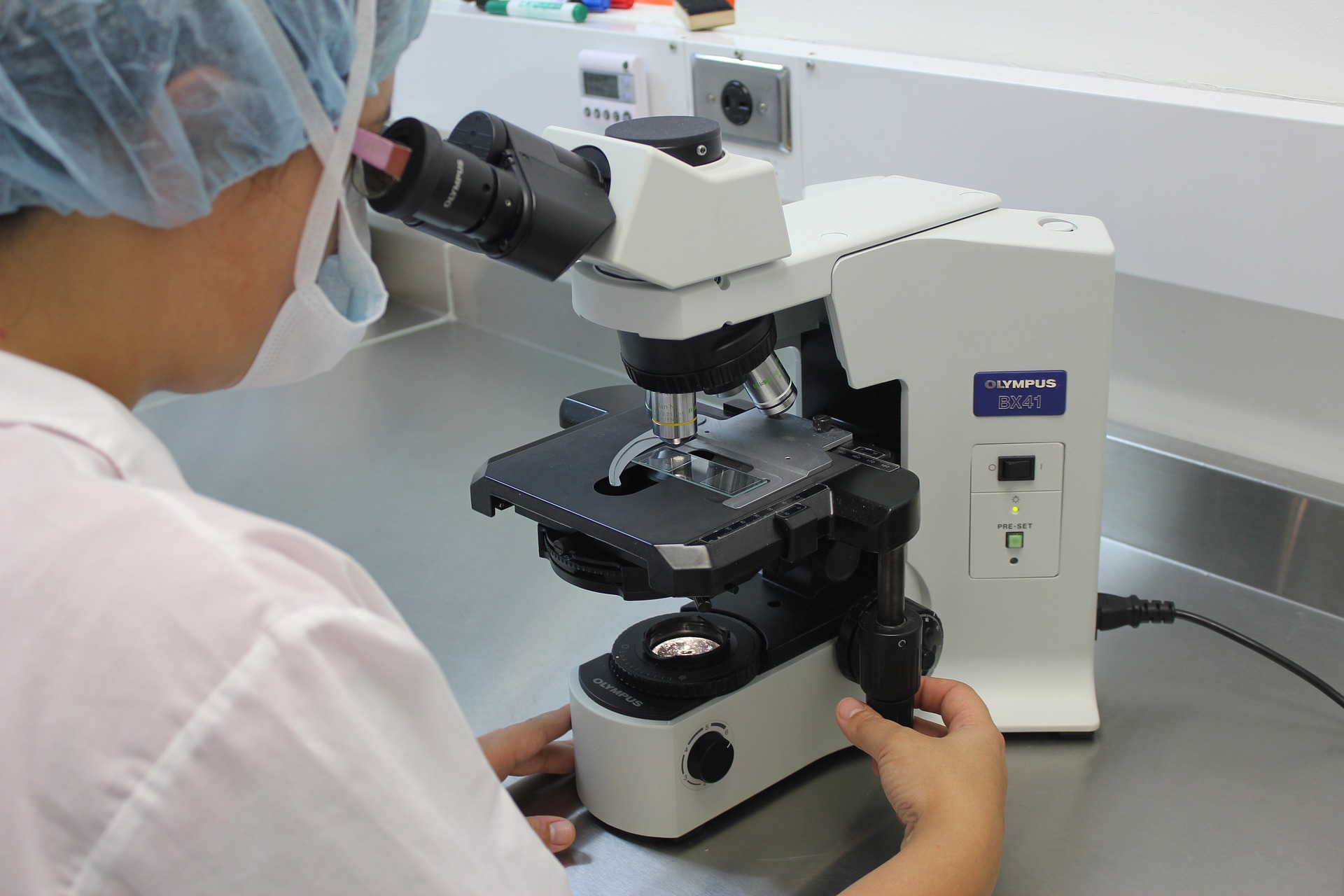
The American researcher Dr. Pat McGeer researched whether viruses could possibly cause the alteration of brain cells. He stained brain cells of patients who died with AD using a different staining method. Although he found no evidence of a virus, he found vast amounts of certain brain cells (so-called microglia). These cells only appear in such big amount under certain condition: inflammation! Dr. McGeer researched that microglia had already been discovered in the brain of dementia patients in 1919. However, this theory was not further investigated by that time, but is currently receiving new attention.

The brain cleaning system: how sleep can improve brain health and prevent AD

By |2020-01-30T08:51:42+01:0029. January 2020|Categories: causes, prevention|

Although known to be essential for all animals with nervous system, the main cellular function of sleep is still unknown. Prolonged sleep deprivation can be lethal, and sleep disturbances are associated with various deficiencies in brain performance. 

Why is the glass of red wine in the evening is good for brain and soul?

By |2020-01-10T12:36:25+01:008. January 2020|Categories: clinical trial, nutrition, plant substances|

Red wine drinkers are generally good-natured people and known for mastering life with pleasure and relaxation. These alone are two protective factors against dementia, because stress is poison for the brain (but more about this later on). In addition, a secondary plant substance present particularly in red wine is increasingly attracting the interest of research and prevention in Alzheimer's disease: resveratrol.

New trails on anti-Amyloid drug failed

By |2019-12-16T11:16:23+01:0018. December 2019|Categories: clinical trial, forms of treatment, medication|

Lanabecestat is a potent inhibitor of Amyloid beta (Aβ) formation – the main component of amyloid plaques. Aβ is formed through cleavage of amyloid precursor protein (APP) by proteases known as secretases (β and γ). The Beta-site-APP-cleaving enzyme 1 (BACE1) cleaves APP at the β-secretase site, after which APP is cleaved by γ secretase to generate Aβ peptides. Lanabecestat inhibits BACE1 and was able to reduce levels of Aβ1-40 and Aβ1-42 in the brain, cerebrospinal fluid (CSF), and plasma in several animal models, as well as in human CSF and plasma. Besides that, Lanabecestat is brain permeable meaning that an adequate amount of this substance is able to reach the brain after oral intake.

Our brain is what it eats – an Arte documentation and what we can learn from it

By |2019-11-25T14:46:56+01:0027. November 2019|Categories: causes, forms of treatment, micronutrient deficiencies, nutrition|

This descriptive documentation of the Arte TV channel shows very clearly the connections between an unbalanced diet, the resulting micronutrient deficiencies and the effects on the brain. Various experiments have shown that mice that grow up with a deficiency of omega-3 fatty acids have deficits in the formation of their neurons and are much more anxious.

Go to Top